
Applications of White Light Images and Artificial Intelligence for the Early Detection of Oral Cancer in Sri Lanka
Background: Oral cancer is a significant global health concern, specifically in Sri Lanka where it is the most common cancer in the male population.
Aim: This project aimed to address the delay in oral cancer diagnosis using Artificial Intelligence technology.
Methodology: The project was executed in three phases.
Phase 1: Preparation of the MOU between CRMY and UoP, obtaining and hosting the MeMoSA software at UoP, the introduction of the software to Dental surgeons and conducting a feasibility study for pilot testing.
Phase 2: Development of a comprehensive database of patient details and images of the oral cavity.
Phase 3: Training an Artificial Intelligence model for automatic classification of oral pre-cancer lesions using multimodal data.
Outcome: The project yielded two abstracts, two full papers in peer reviewed indexed journals (Q1), one newspaper article in a national newspaper, and one national level award.
Achievements:
• National ICT Awards (NBQSA) in 2023, the bronze award in the tertiary student project (Technology) category was awarded for the custom annotation tool, and the multimodal classification model.
• The project represented the University of Peradeniya, Faculty of Engineering at the Techno 2023 exhibition at which the University stall was presented the gold award for the best display of engineering projects.
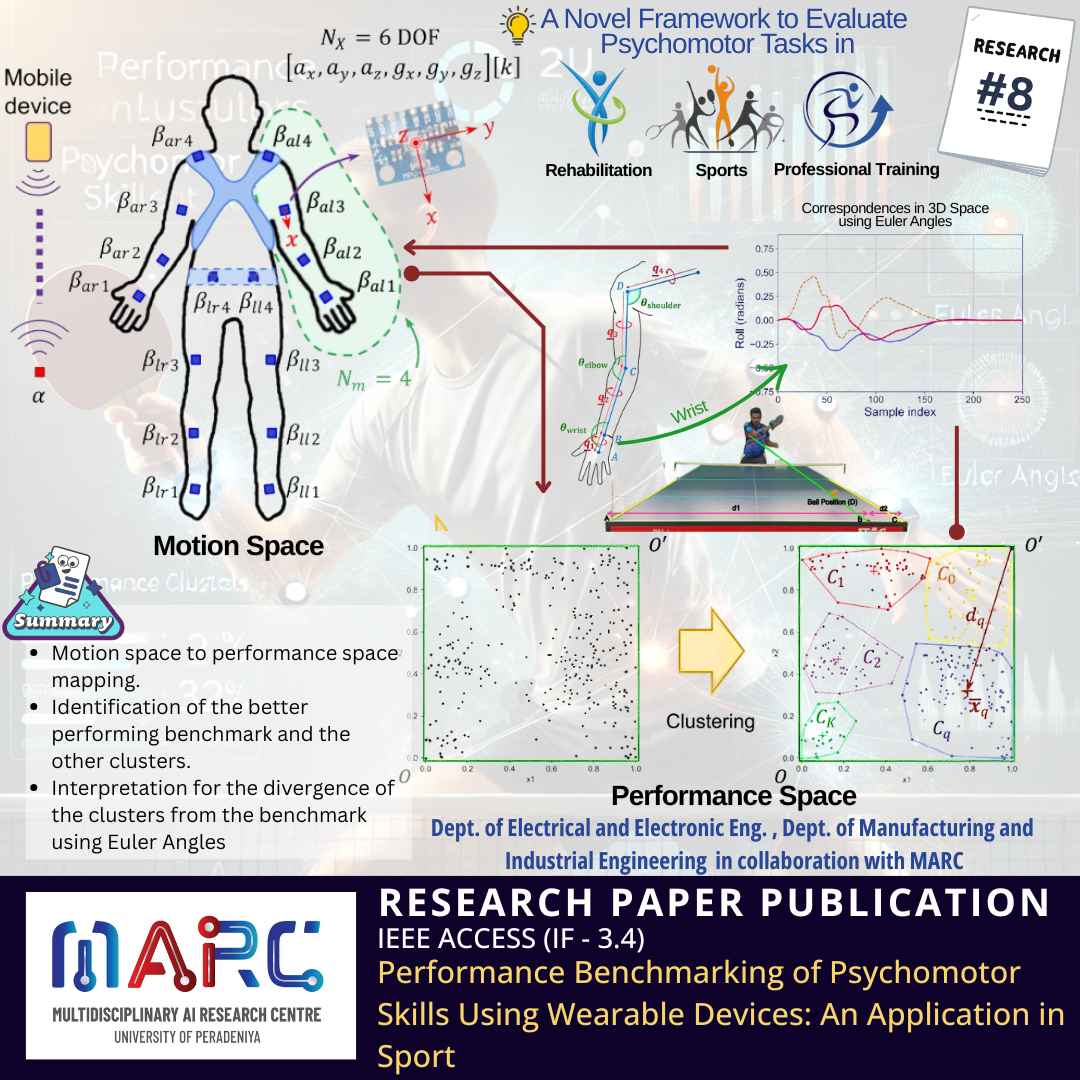
A Wearable Device for Real-Time Monitoring of Biophysiological Signals in Pregnant Women, Athletes, and Other Individuals
Background: The growing demand for non-invasive, wearable systems to monitor bio-physical signals in non-clinical environments highlights a critical gap in continuous, long-term health monitoring.
Aim: To design a wearable device for the prolonged measurement and monitoring of Biophysiological signals—including limb movements, hand movements, and respiration
patterns, uterine contractions, and fetal movements.
Methodology:
• Independent sensor subsystems connect to a central supervisory control unit (CSCU) for flexible, user-specific configurations.
• IMUs and EMG sensors measure movements and muscle activity, placed strategically on the body for accurate Biophysiological readings.
• The CSCU coordinates sensor data collection, with local storage for further analysis using pattern recognition algorithms.
Outcome: The project yielded two journal papers (under review), two peer-reviewed conference papers, and two devices (one with a patent application)
Achievements:
• Best Paper Award for the paper " Quality Assessment of Welding using Regression Analysis of Biomechanical Data " in the Technology Management track at the Moratuwa Engineering Research Conference (MERCon) 2024
• The project represented the University of Peradeniya, Faculty of Engineering at the Techno 2023 exhibition at which the University stall was presented the gold award for the best display of engineering projects.
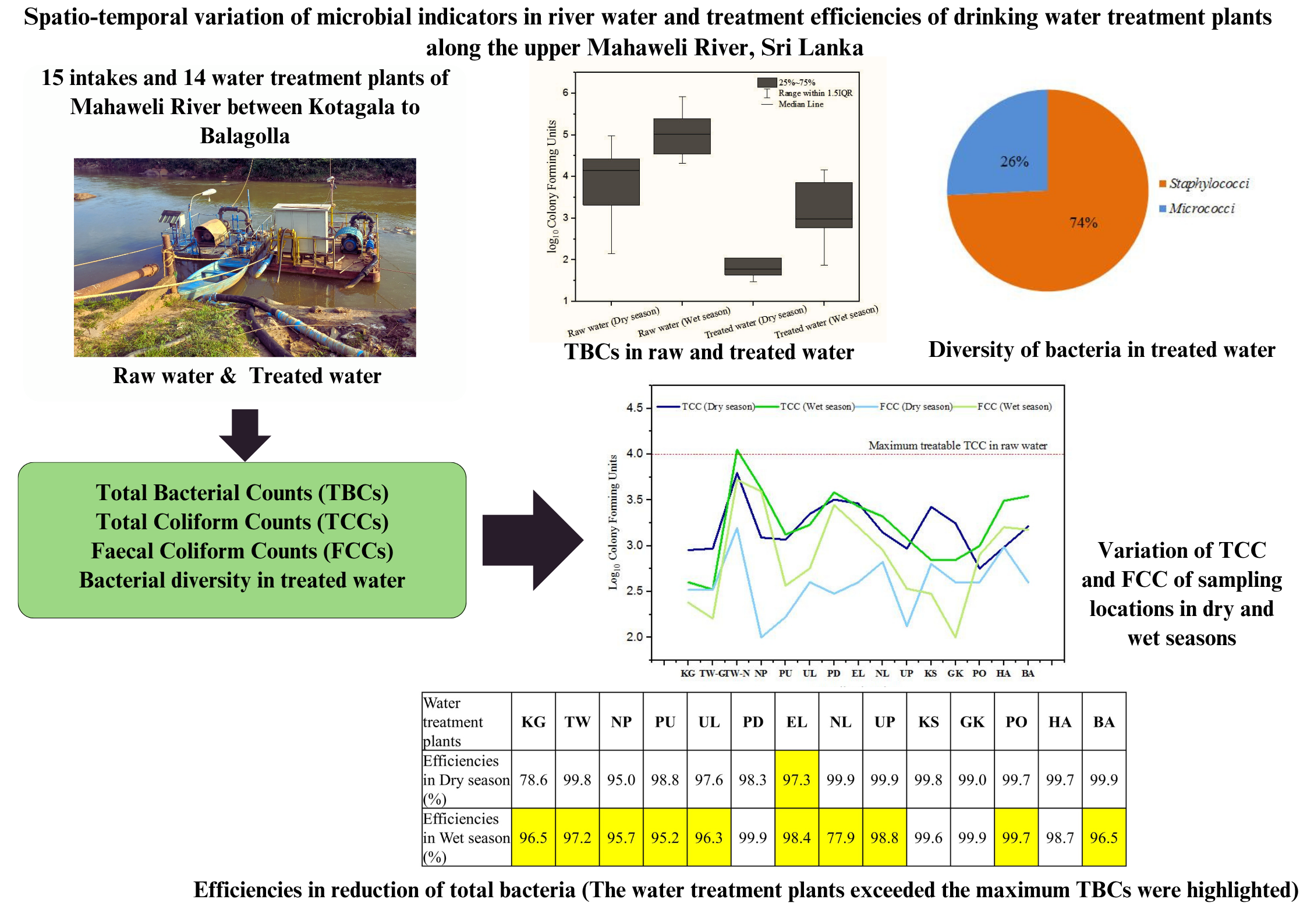
Identification and quantification of chemical and microbial contaminations in the watershed of the Mahaweli River to ensure a safe drinking water supply
Background: The Mahaweli River, the major source of water to the Kandy district, is threatened by pollution associated with urbanization. Catchment management of the river is highly important for the safe delivery of drinking water as per the WHO Water Safety Plans and United Nations SDG Goal 6.
Aim: The study focused on identifying chemical and microbial contaminants of Mahaweli River water and its treated water between Kotmale and Victoria reservoirs.
Methodology: Raw and treated water at 15 water treatment plants (WTPs) situated along the Mahaweli river and its major tributaries between Kotmale and Victoria reservoirs were collected in four field trips (June 2022-July 2023). Water samples were tested for physico-chemical parameters including anions and heavy metals, pesticides, antibiotics and microbial contaminants (total bacteria, total coliforms, faecal coliforms, Cryptosporidium, Giardia and Corona viruses) and, antibiotic resistance and antibiotic-resistant genes in bacteria.
Outcome: The project outcomes were published so far in two full papers in SCI journals and ten abstracts. Four full research papers are in preparation for publication.
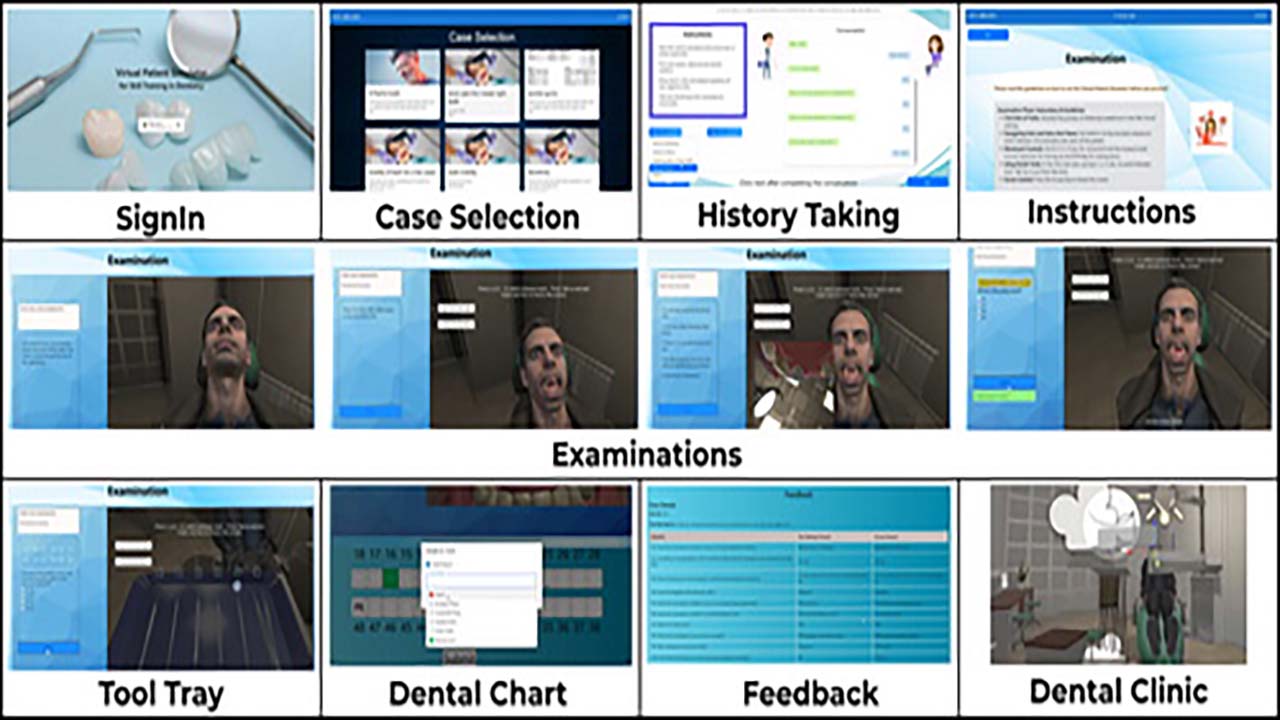
VR Dental Simulator
Background: The project aims to develop a virtual reality dental simulator with 3D visualization, an AI-driven tutoring system, and real-time feedback for skill training. Achievements include immersive VR environments, personalized clinical reasoning guidance, and performance analytics. Outcomes show enhanced training, improved decision-making, and data-driven skill development. Future work focuses on haptic feedback and expanded case libraries.
Nanoadsorbent Coated Clay Pot for Domestic Water Treatment Applications
Background: Access to clean water and sanitation is a significant health and environmental issue, and a key to reducing poverty worldwide by improving livelihoods. That is why improving the water supply in developing countries is a priority. In Sri Lanka, most of the rural population obtains their drinking water from wells, hand-pump tube wells, small-scale rural water supply schemes, rainwater harvesting tanks, irrigation tanks, canals, and streams. One of the prevalent issues identified across several areas in the country is the lack of access to safe drinking water.
Objectives:
• Assess and compare the effectiveness of nano-clay composites on adsorption characteristics in aqueous solutions with time. For the removal of E. coli in drinking water and for the removal of manganese, ammonia nitrogen, total phosphorus, and total iron.
• Assess the cytotoxicity of the fabricated nanoclay-based composite material with cell culture studies
Methodology: The project involves fabricating nanoclay composites using solid-state grinding and NaCl activation, incorporating polymeric binding and TiO2 for stability and antimicrobial properties. Three dosage combinations will be tested, characterized via PXRD, FTIR, SEM, TGA, and BET for water treatment suitability. The composites will coat pots to assess E. coli and algal toxin removal in water samples, analyzed hourly. Cell culture tests will evaluate biocompatibility, while batch absorption and regeneration studies will optimize contaminant removal, analyzed using statistical and LC-MS/MS methods.
Outcomes:
This project effectively created and analyzed a composite material based on nano clay intended for household water purification. Physicochemical analysis validated the effective incorporation of montmorillonite (MMT) and TiO₂ into the natural clay structure. PXRD and FTIR assessments confirmed structural stability and chemical interactions, while SEM, TEM, and EDAX evaluations demonstrated even distribution of TiO₂ and MMT without any phase separation. Thermal stability was maintained, and mechanical properties like compressive strength and water resistance showed significant improvement with higher MMT content.
Experiments on water quality showed improved contaminant removal effectiveness. The nano-clay pots, especially the MMT and TiO₂-infused pot (Pot 3), exhibited enhanced E. coli reduction in sunlight owing to the photocatalytic effect of TiO₂, keeping the lowest bacterial regrowth over time. Analysis of heavy metal removal showed total elimination of manganese and iron by Day 3, along with enhanced removal rates for manganese and phosphorus in the nano-modified containers. The removal of ammonia nitrogen was constrained in all samples.
Evaluations of cytotoxicity through fibroblast cell cultures showed no indications of toxicity, irregular morphology, or growth suppression. Treated cells exhibited healthy, spindle-like structures and achieved confluence comparable to untreated controls, validating the biocompatibility of the synthesized nanocomposites
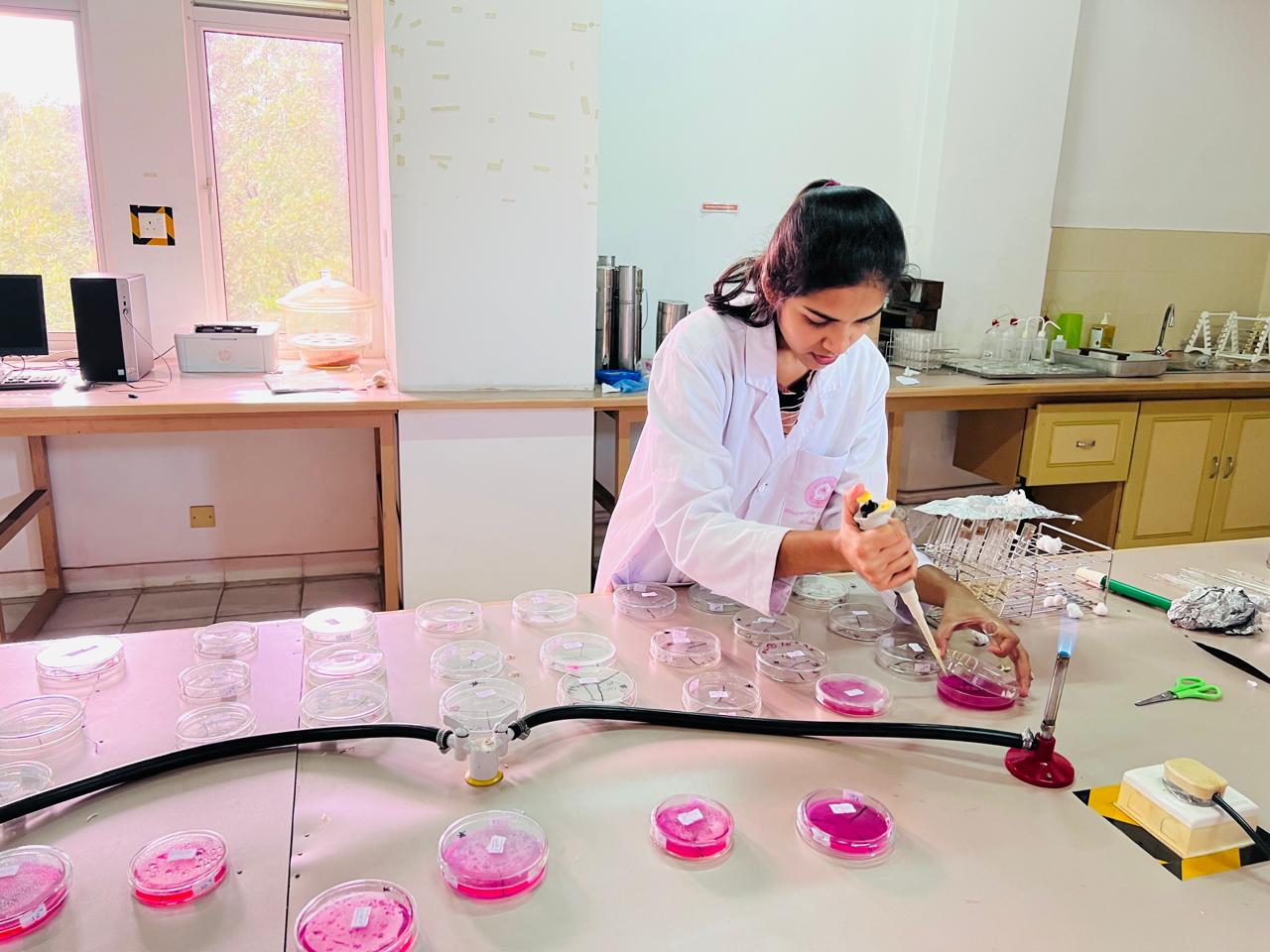
Developing a decision-making tool to optimise the sustainability dimensions of the value-adding production of fresh-cut vegetable processing to enhance food security
Background:Fruits and vegetables (FVs) are vital for a healthy diet, providing fiber, vitamins, minerals, and antioxidants, with WHO and FAO recommending at least 400g daily to reduce non-communicable diseases. However, in developing countries like Sri Lanka, low consumption persists due to price volatility, inadequate supply, and preference for raw FVs over fresh-cut (FFVs) due to cost and safety concerns. FFVs face challenges like short shelf life (4-7 days) from processing, microbial growth, and quality degradation. Chemical and physical disinfection methods, such as chlorine and UV light, aim to enhance safety, but their sensory impact and high production costs hinder commercialization. Research seeks sustainable, cost-effective disinfection alternatives to balance quality, safety, and environmental concerns.
Objectives:
1. Conduct socio-economic analysis to capture the market view for FFV
2. Improve and evaluate the performance of the cutting process of FFV using work-study and experimenting with disinfecting methods
3. Develop a multi-objective optimization model to optimize cutting process sustainability
Methodology:The research comprises four work packages to enhance fresh-cut fruit and vegetable (FFV) production in Sri Lanka. Work Package 1 conducts a mixed-method market survey in Colombo, Kandy, and Negombo to understand consumer perceptions, buying behavior, and preferences for FFV, using a sample of 3000 consumers and 20 stakeholders. Work Package 2 employs work-study techniques to optimize cutting processes, improving productivity by analyzing time, energy, and cost. Work Package 3 evaluates five disinfecting agents (chlorine, hydrogen peroxide, ozone, acetic acid, citric acid) on four popular vegetables, assessing microbial safety, sensory attributes, and shelf life. Work Package 4 develops a multi-objective optimization model using evolutionary meta-heuristics to enhance cutting and disinfection performance, addressing cost, quality, and safety.
Outcomes:The research identified distinct Sri Lankan consumer profiles and their perceptions of fresh-cut vegetables, revealing preferences and socio-cultural influences on buying behaviour, with findings published in three abstracts, one conference paper (journal-shortlisted), and two journals (one under review, one in progress). Organic acid treatments were found to effectively preserve the quality, safety, and nutritional attributes of fresh-cut vegetables. Baton cutting enhanced shelf life compared to shredded cuts, with results in two abstracts and three journals (in progress). Meta-heuristics algorithms were developed to optimize processing decisions, published in one abstract, one award-winning conference paper, and one journal (in progress).
Microbes as Bio-larvicides and Fitness Indicators of Dengue Vector Mosquitoes in Sri Lanka
Narrative Abstract
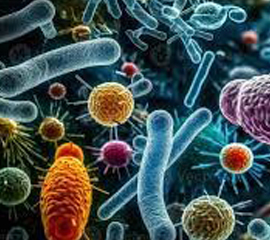
Background: Sri Lanka urgently requires efficient mosquito control strategies due to its high annual incidence of cases. With conventional mosquito control programs proving limited, focus has shifted to symbiotic microbes as a promising alternative.
Aim: Our objective was to assess natural microbial interventions aimed at disrupting mosquito populations, specifically targeting Aedes aegypti and Aedes albopictus, the primary and secondary vectors of dengue.
Methodology: Microbial communities were characterized across various geographic and environmental settings, with samples collected from 178 breeding sites. Approximately 20 bacterial strains were identified through morphological and molecular diagnosis, including notable genera such as Pseudomonas, Enterobacter, Serratia, Citrobacter, and Rhizobium.
Outcome: Significant impacts on Aedes larvae growth and development were observed with ten identified bacterial strains. These microbes influenced not only egg hatchability but also the entire lifecycle of Aedes mosquitoes. Notably, a larvicidal Pseudomonas species was isolated, marking a significant advancement in mosquito control. Additionally, two bacterial strains demonstrated the ability for transovarial transformation. Serratia species, recognized for their exceptional capacity to antagonize the dengue virus, were also isolated. These findings offer immense potential for developing targeted interventions to reduce dengue transmission.
Achievements:
• Training and Capacity Building: Trained one M.Phil student and three undergraduate students.
• Scientific Contributions: Produced two full research publications in peer-reviewed journals and presented findings in three abstract publications. Laboratory Development: Established or significantly advanced a laboratory for mosquito microbiome research
• Novel Scientific Discoveries: Characterized microbial communities from 178 mosquito breeding sites. Identified bacterial strains with substantial larvicidal effects on Aedes aegypti and Aedes albopictus, including their impacts on egg hatchability and lifecycle progression.
.
Predicting the incidence of subclinical mastitis in dairy cows using machine learning techniques
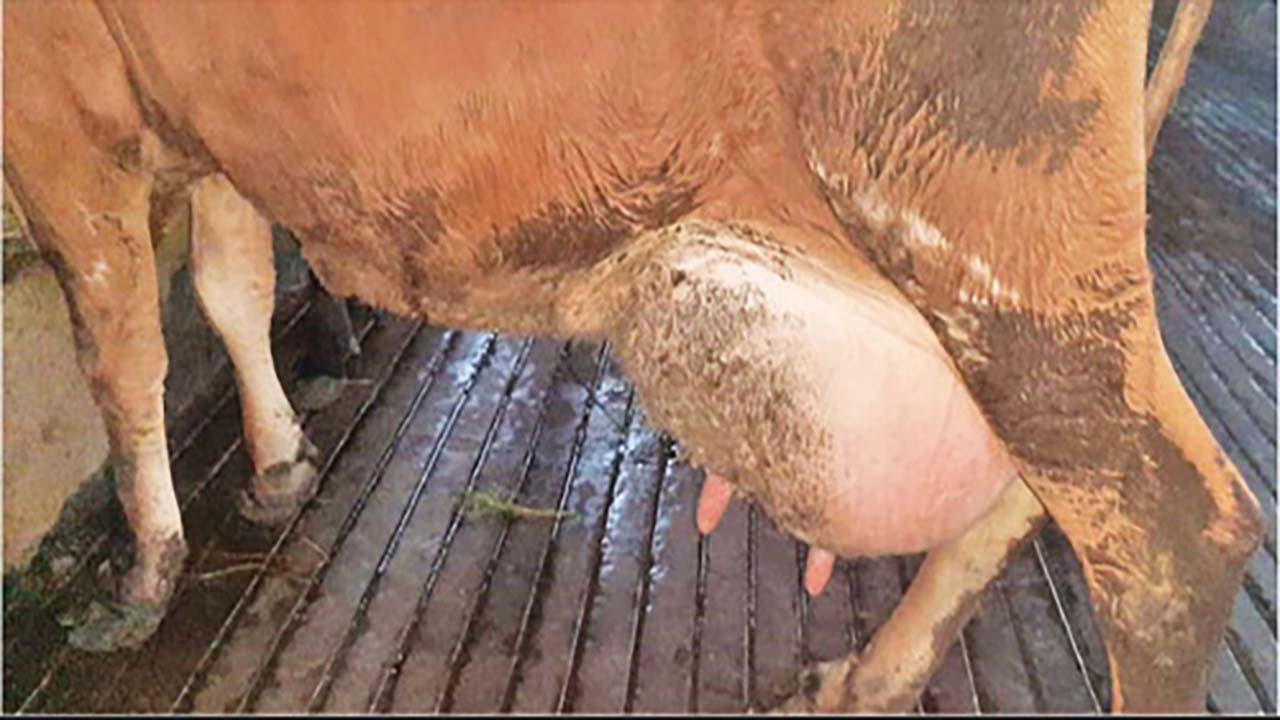
Background: Subclinical mastitis (SCM) is an economically important disease of lactating cows with a significant effect on the quantity and quality of milk produced. Therefore, early diagnosis of diseased cows is essential to minimize economic losses.
Aim: This study aims to develop a model using machine learning (ML) techniques for the detection of SCM and integrate it with a user-friendly software tool.
Methodology: Milk samples were collected from over 2400 cows and those were tested for milk quality and somatic cell count. ML modeling included data preparation, Exploratory Data Analysis (EDA), model training, and model selection. The most effective model was integrated with a user-friendly software tool with features like batch data input, secure data handling, and easy-to-read visual reports.
Outcome: The project yielded four abstracts, two newspaper articles, one newsletter article and a software tool. A journal article is being prepared.
Achievements:
• Generation of a database of 2400 cows with milk production, milk composition and somatic cell count data
• Developed a software tool to predict the incidence of SCM, helping farmers make better decisions for their cows' health ultimately improving herd health and productivity